
Okay, so check this out—I’ve been noodling on Solana wallets for a while and something felt off about the onboarding experience. Hmm… it wasn’t the dApps or the speed; those are great. It was the friction: installs, extension quirks, mobile app juggling, key backups that felt like algebra homework. Seriously? Users shouldn’t need a manual to claim an airdrop.
Whoa! The web version flips some assumptions. At first I thought an in-browser Phantom would just be convenient, but then I realized it actually changes user flow and security trade-offs in subtle ways. Initially I thought convenience would mean more risk, but then I noticed modern browser sandboxes and progressive security practices can reduce some attack surfaces when implemented carefully. Actually, wait—let me rephrase that: convenience doesn’t magically equal insecurity; it’s about how that convenience is designed.
Short version: a well-built web wallet can lower the barrier to entry for everyday users while keeping power users happy. On one hand, you get near-instant access from any machine with a browser. On the other hand, you give up some of the isolation that a dedicated hardware device or mobile app provides. I’m biased, but for onboarding newbies it’s a huge net positive.
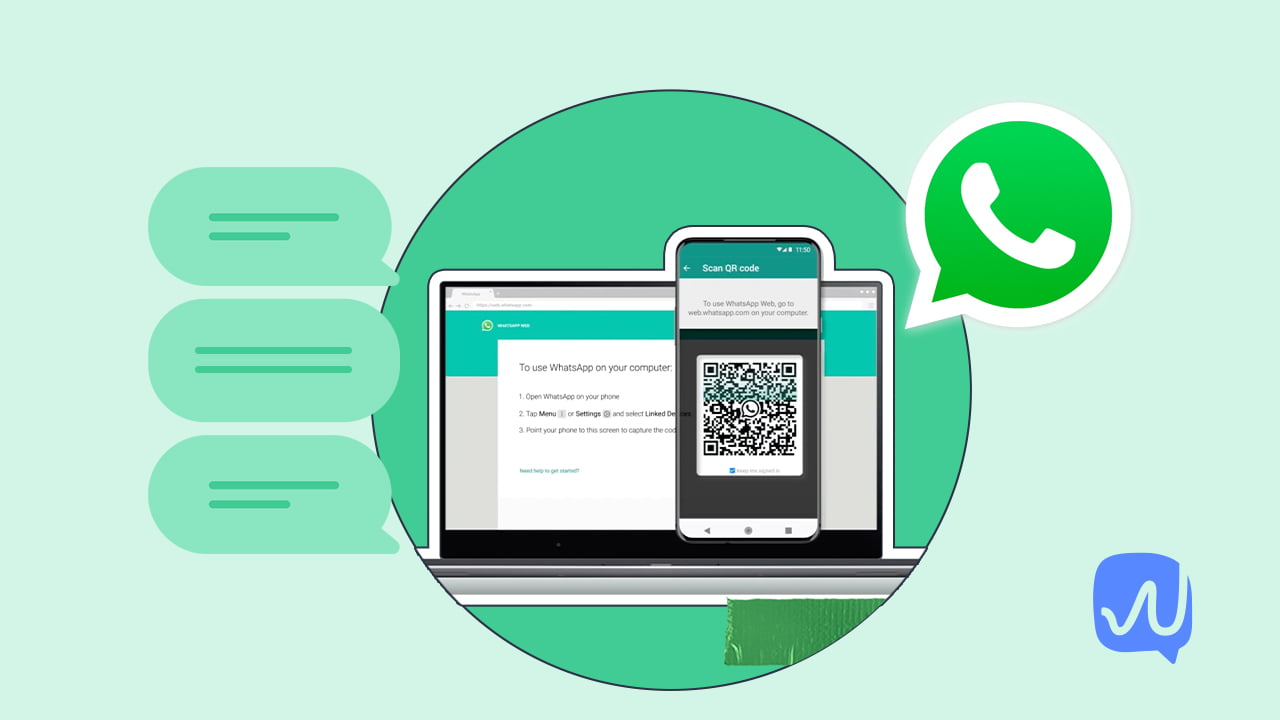
How the web wallet changes the game
Think about the usual flow: install extension, set up seed phrase, reconnect to every dApp. Painful. The web approach can shift that to: open site, approve ephemeral session, try things out. That’s huge. My instinct said users would be wary. They were—at first. But then I watched a friend, non-technical, sign a transaction within two minutes and laugh. She was sold. (oh, and by the way… she still backed up her keys afterwards.)
The architecture matters. Web wallets can run with session keys, browser-native cryptography, and optional integration with hardware keys via WebAuthn. Those are modern primitives: browser cryptography has improved a lot. On the downside, browser extensions still offer a stronger containment model for persistent keys, so the trade-offs are nuanced and real. On the third thought—actually—different user classes will prefer different modes.
There’s also a UX story. No more “Did you switch networks?” messages for casual users. Medium-term sessions feel familiar: you can be logged in like any other web service, with clear session expiry and re-auth flows. That reduces accidental signing by people who don’t understand the consequences. It helps a lot. And yes, some developers worry about session lifetimes; valid concern and very solvable.
Security: pragmatic, not paranoid
Security folks tend to shout first and ask questions later. I get it. But if you treat web wallets as second-class citizens you lose adoption. Here’s a middle path: channel isolation, limited-scope session keys, mandatory confirmations for high-value flows, and optional hardware-backed signing. Those guardrails make a trustworthy web wallet. Something felt off about simple “web is unsafe” takes—they’re reductive.
On the technical side, use ephemeral keys for routine actions, require re-auth for withdrawals, and enable transaction previews that show exactly what will change on-chain. Also, implement origin-bound signatures so dApps can’t replay approvals from another tab. These are practical defenses that don’t require users to become cryptographers. I’m not 100% sure every team will implement them, but they’re increasingly standard practice among serious wallets.
In other words: the design philosophy matters more than the medium itself. A sloppy extension is worse than a thoughtful web wallet. Repeat: sloppy is worse. Very very important to prioritize both clarity and limits.
Developer ergonomics and adoption
For dApp builders, a web wallet removes friction in testing and user acquisition. You don’t need users to install anything to try out a feature. That reduces drop-off and accelerates feedback loops. Developers can also offer progressive enhancements: basic flows with ephemeral consent, plus optional persistent accounts for power users. On one hand this is flexible. On the other hand it requires more careful API design from both wallets and dApps.
Phantom’s model — if adapted to the web — can become a pattern: clear permission prompts, transaction explainers, and a solid developer SDK. If you want to see a live example, check out phantom wallet for a taste of the experience. It embeds the same mental model: approachable, fast, and attentive to developer needs. I’m telling you, the onboarding curve flattens.
But there’s a caveat: wallets must avoid over-automation. Auto-signing convenience kills security. The UX should default to conservatism and allow users to opt into smoother flows. That gives trust time to form naturally.
Real-world scenarios
Picture a coffee shop demo. A creator shows a Solana NFT minting dApp. A stranger opens the link, tries a mint, signs a short-lived session, and sees the result instantly. No install barrier; immediate gratification. That creates network effects for projects. (This part bugs me—in the best way possible—because it makes crypto feel accessible.)
Another scenario: custody for enterprise dashboards. Companies can use web wallets with stricter MFA and hardware key requirements for payouts while keeping day-to-day operations smooth. It’s a hybrid model that scales. Initially I worried about browser persistence, but layered controls—team roles, approval workflows—fix most concerns.
FAQ
Is a web wallet as secure as an extension or mobile app?
Short answer: not identical, though it can be comparably secure depending on design. Web wallets trade some isolation for accessibility. With session keys, origin-bound signatures, and optional hardware integration, they can mitigate many risks. Each use case deserves a tailored setup—don’t treat all wallets the same.
What should a dApp developer do to support a web wallet?
Support clear permission scopes, present transaction previews, and honor session lifetimes. Use established SDKs that surface intent and confirm actions. And test on real users—usability fixes often reduce risky behavior more than adding warnings ever will.
Can I move my existing Phantom keys to a web wallet?
Often yes, but proceed carefully. Export/import flows must be secure. Prefer hardware-backed migration or seed phrase re-seeding on a trusted device, and avoid copy-pasting secrets on public machines. If unsure, keep your high-value assets in cold storage.